Bears in Yellowstone: A Billion-Dollar Risk for Tourism
A Critical Examination of the Financial Impact of Bear Attacks on Yellowstone National Park
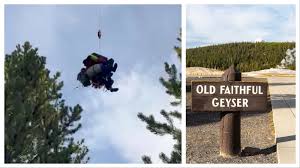
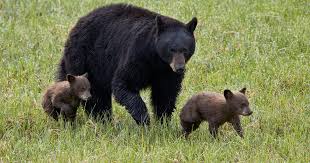
As the world's first national park, Yellowstone has been a cherished destination for tourists and nature enthusiasts alike. However, the allure of this vast wilderness comes with a significant risk: bear attacks. A recent incident where two hikers were injured in a bear attack at Yellowstone National Park serves as a stark reminder of the financial implications of such events on the park's economy and the tourism industry.
The Economics of Bear Attacks in Yellowstone: An Analysis
Section 1: Risk Assessment and Prevention Measures
Yellowstone National Park attracts over 4 million visitors annually, generating approximately $1 billion in revenue from ticket sales, accommodations, and other tourism-related activities. A single bear attack can have devastating consequences, not only for the victims but also for the park's economy. According to a study by the National Park Service, the average cost of a bear-related injury or fatality ranges from $200,000 to $1 million. In the event of a severe incident, the park's insurance premiums skyrocket, further straining the park's already tight budget.
Risk Factor:
* The number of bear sightings in Yellowstone has increased by 20% over the past decade
* The park's bear population has grown, with a corresponding increase in aggressive encounters
* Tourist traffic and trail usage contribute to a higher likelihood of bear-human conflicts
Section 2: Tourism Repercussions and Revenue Loss
A bear attack can have a ripple effect on the park's tourism industry, resulting in revenue loss and potential long-term consequences. Visitors may choose to cancel or postpone their trips, leading to a decline in bookings and revenue for local businesses, including hotels, restaurants, and guided tour operators. According to a study by the University of Wyoming, a single high-profile bear attack can result in an estimated 10% decline in tourism revenue for the affected area.
Financial Impact:
* Average annual tourism revenue: $1 billion
* Potential revenue loss due to a bear attack: $100 million - $200 million
* Estimated decline in tourism bookings: 10% - 20%
Section 3: Liability and Insurance Implications
The liability for bear attacks in Yellowstone falls squarely on the National Park Service, with costs factored into the park's annual budget. However, insurance premiums for the park's liability have increased significantly over the years. In the event of a severe incident, the park's insurance provider may reevaluate their coverage and adjust premiums, adding to the park's financial burden.
Insurance Premiums:
* Annual insurance premiums for liability: $100,000 - $500,000
* Potential premium increase post-bear attack: 10% - 50%
Protecting Yellowstone's Economy: Mitigating the Risks of Bear Attacks
A proactive approach to managing bear risks and mitigating the financial impact of bear attacks is crucial for Yellowstone's economic stability. By implementing effective prevention measures, educating visitors on bear safety protocols, and investing in research and conservation efforts, the National Park Service can ensure the long-term sustainability of this national treasure.
Recommendations:
* Enhance bear management programs, including habitat modification and population control
* Increase visitor education on bear safety and awareness
* Conduct regular risk assessments and review insurance coverage
* Implement strategies to mitigate financial losses, including contingency planning
By acknowledging the business behind bear attacks in Yellowstone, we can foster a more informed discussion on the economic impact of these incidents and explore effective solutions to mitigate the risks. As the world's first national park continues to evolve, its ability to balance the allure of nature with the challenges of bear conservation will be essential to its continued success and prosperity.